
Smart Factory Automation Solutions 2026: From PLC Control to AI-Driven Manufacturing
Manufacturing automation is moving beyond traditional machine control.
In a conventional automated production line, PLCs execute predefined logic, sensors provide feedback, and operators monitor equipment through HMI or SCADA systems. In a modern smart factory, these technologies are increasingly connected with industrial networks, data platforms, robotics, machine vision, edge computing, and artificial intelligence.
This evolution is changing how factories approach productivity, quality control, maintenance, and production planning.
In 2026, the direction is increasingly toward connected and intelligent industrial operations, where automation hardware, software, data, and AI work together rather than operating as isolated systems. The World Economic Forum describes this transition as a move from traditional automation toward intelligent, connected, and increasingly autonomous industrial operations.
For manufacturers evaluating Smart Factory Automation Solutions, the objective is not simply to automate more machines. The real objective is to create a production environment that can collect data, respond to changing conditions, improve quality, and support better decisions.
What Is a Smart Factory Automation Solution?
A Smart Factory Automation Solution is an integrated industrial system that combines automation hardware, control software, communication networks, data platforms, and intelligent technologies to improve manufacturing operations.
A typical architecture may include:
- PLCs for machine control
- HMIs for operator interaction
- SCADA for production monitoring
- MES for manufacturing management
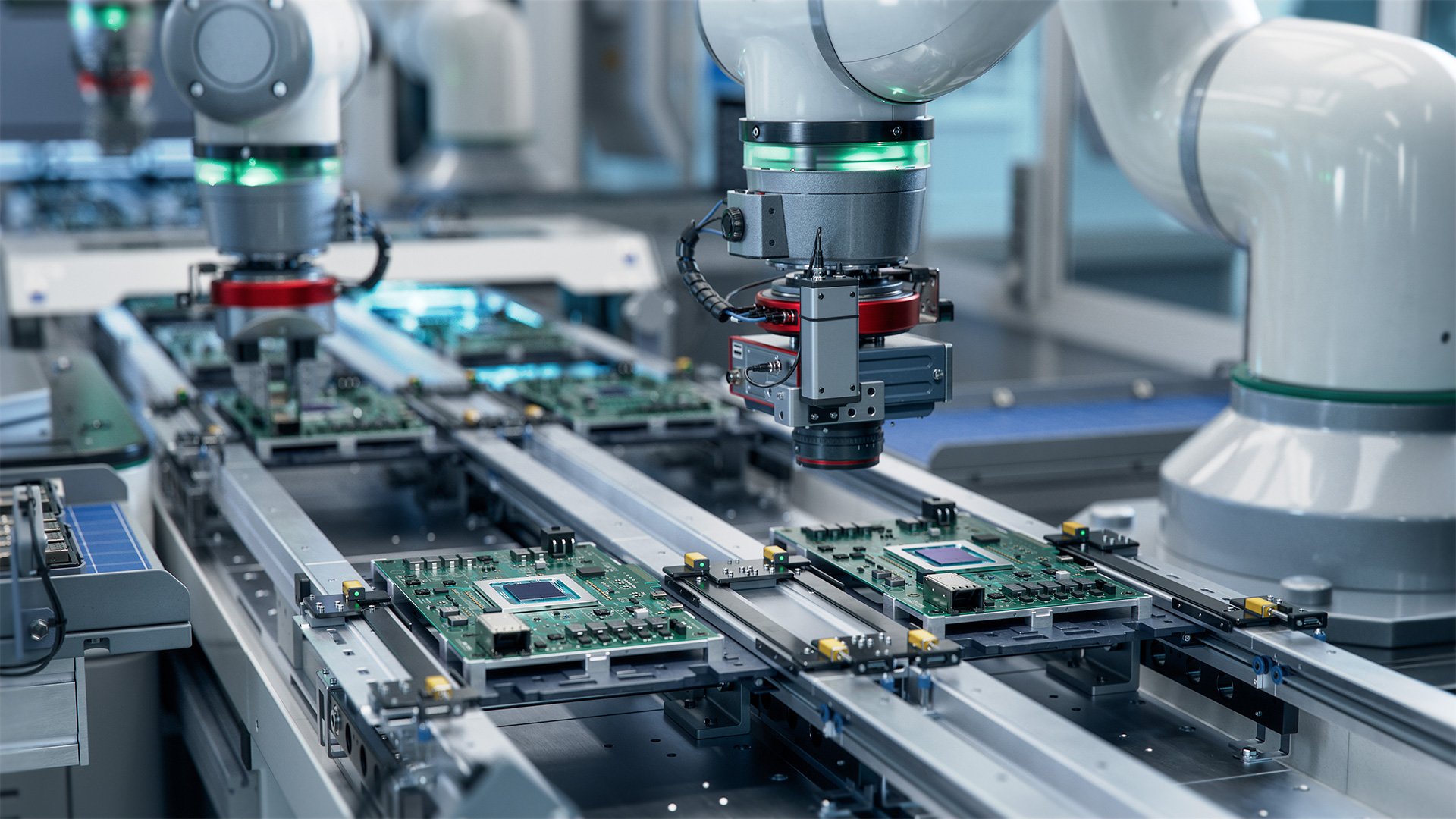
- Industrial robots and cobots
- Sensors and IIoT devices
- Machine vision systems
- Industrial PCs and edge computing
- AI and machine learning
- Industrial communication networks
- Cloud or on-premise data platforms
The important difference is integration.
A PLC can control a machine efficiently, but a smart factory connects machine-level control with production data, quality information, maintenance systems, and higher-level manufacturing operations.
This creates a continuous information flow:
Machine → PLC → Industrial Network → SCADA/MES → Data Platform → Analytics/AI → Production Decision
The result is a more connected manufacturing environment where data can be used to improve operations instead of simply being collected.
Why Smart Factory Automation Matters in 2026
Manufacturers are facing several simultaneous pressures:
- Increasing labor costs
- Skilled-worker shortages
- Higher quality requirements
- Shorter product lifecycles
- More customized production
- Greater energy costs
- Increasing production complexity
- Stronger demand for traceability
Automation provides the foundation for addressing these challenges.
According to PwC’s 2026 Global Industrial Manufacturing Sector Outlook, manufacturers surveyed expect the share of highly automated processes to increase substantially by 2030, reflecting the growing importance of automation and AI in industrial operations.
At the same time, AI is moving into practical manufacturing applications. A 2026 NIST roadmap identifies industrial analytics, advanced sensing, robotics, digital twins, supply-chain optimization, and AI-enabled manufacturing as important areas in the evolution of smart manufacturing.
This means that factory automation is increasingly becoming an integrated engineering discipline rather than a collection of individual machines.
Automation Architecture: PLC, HMI, SCADA and MES
The foundation of most industrial automation systems remains the control architecture.
PLC: The Control Layer
A Programmable Logic Controller (PLC) is responsible for controlling machines and industrial processes.
Typical PLC functions include:
- Reading sensor inputs
- Controlling motors and actuators
- Managing production sequences
- Executing safety logic
- Communicating with other devices
- Responding to real-time process conditions
PLC systems remain essential because deterministic machine control is still required even when higher-level AI and analytics are introduced.
HMI: The Operator Interface
The Human-Machine Interface (HMI) allows operators to interact with automated equipment.
An HMI can display:
- Machine status
- Production parameters
- Alarms
- Equipment conditions
- Production counters
- Maintenance information
Modern HMIs increasingly connect with broader production data systems, giving operators greater visibility into factory operations.
SCADA: Supervisory Monitoring
SCADA (Supervisory Control and Data Acquisition) provides centralized monitoring and control across multiple machines or production areas.
A SCADA system can collect:
- Temperature
- Pressure
- Speed
- Production quantity
- Equipment status
- Alarm history
- Energy consumption
This information enables engineers to monitor production performance in real time.
MES: Manufacturing Management
While SCADA focuses primarily on equipment and process supervision, MES (Manufacturing Execution System) operates at the manufacturing management level.
MES can help manage:
- Work orders
- Production tracking
- Material traceability
- Quality records
- Operator information
- Production genealogy
- Manufacturing performance
The combination of PLC + HMI + SCADA + MES provides a foundation for connected manufacturing.
Industrial Robotics and AI-Powered Automation
Robotics has become one of the most important components of modern smart manufacturing.
Industrial robots can perform repetitive or high-precision operations such as:
- Pick and place
- Assembly
- Welding
- Packaging
- Palletizing
- Material handling
- Machine tending
Collaborative robots, or cobots, can additionally support applications where humans and robots need to work in closer proximity, subject to appropriate safety engineering.
The next stage is the integration of AI.
Traditional robots typically follow predefined trajectories. AI-enabled systems can use vision, sensing, and machine-learning models to respond to variations in the production environment.
In 2026, industrial robotics is increasingly connected with AI, IT/OT integration, safety technologies, and more autonomous operation. The International Federation of Robotics identifies AI and autonomy, IT/OT convergence, safety and security, and robots supporting labor shortages among the major robotics trends for 2026.
AI Machine Vision for Quality Inspection
Quality inspection is one of the practical areas where AI can add value to factory automation.
Traditional vision systems typically rely on predefined rules, thresholds, and image-processing algorithms.
AI machine vision can instead use trained models to identify patterns and variations in images.
Potential applications include:
- Surface defect detection
- Component inspection
- Dimension verification
- Label recognition
- Assembly verification
- Product classification
- Packaging inspection
A modern architecture can combine:
Camera → AI Vision Model → Edge Computer → PLC → Production Decision
For example, when an AI vision system detects a defective product, the result can be transferred to the PLC, which then activates a rejection mechanism.
This creates a closed-loop inspection process.
Industrial automation vendors are increasingly integrating AI-powered inspection directly into automation environments. Siemens, for example, highlights AI-powered visual inspection combined with PLC-based production control and industrial edge technologies in its 2026 automation solutions.
From IoT Data to Predictive Maintenance
Smart factories generate large volumes of machine data.
Sensors can monitor:
- Temperature
- Vibration
- Current
- Pressure
- Motor speed
- Energy consumption
- Operating cycles
Instead of waiting for equipment failure, manufacturers can analyze this data to identify abnormal behavior.
This creates the foundation for predictive maintenance.
A typical architecture is:
Sensor → PLC/Edge Device → Data Platform → Analytics/AI → Maintenance Alert
For example, abnormal motor vibration may indicate potential bearing degradation.
The maintenance team can then investigate the equipment before a major production failure occurs.
This approach can help manufacturers move from:
Reactive Maintenance → Preventive Maintenance → Predictive Maintenance
The 2026 smart manufacturing roadmap from NIST specifically identifies industrial data analytics, advanced sensing, AI, robotics, digital twins, and reliability-related AI as important areas for future manufacturing systems.
Industry 4.0 Standards and Industrial Connectivity
A smart factory cannot depend only on individual automation devices.
Different machines need to exchange information reliably.
Industrial connectivity can include technologies and protocols such as:
- Industrial Ethernet
- Modbus TCP/IP
- OPC UA
- PROFINET
- EtherNet/IP
- MQTT
- IO-Link
The appropriate architecture depends on the equipment, performance requirements, cybersecurity requirements, and existing factory infrastructure.
A successful Industry 4.0 deployment should therefore consider:
Interoperability
Different machines and systems should be able to exchange relevant data.
Scalability
The architecture should support additional machines, sensors, and production lines.
Cybersecurity
Connected OT environments require appropriate network segmentation, access control, monitoring, and security practices.
Data Governance
Manufacturers need consistent approaches to data collection, storage, quality, and access.
This is particularly important as AI moves closer to physical industrial operations. Cisco’s 2026 Industrial AI research highlights network infrastructure, cybersecurity, and IT/OT collaboration as foundational requirements for scaling industrial AI.
ROI and Business Value of Factory Automation
Automation investment should be evaluated using both technical and business metrics.
Important KPIs include:
- Overall Equipment Effectiveness (OEE)
- Production throughput
- Defect rate
- Unplanned downtime
- Labor productivity
- Energy consumption
- Changeover time
- Maintenance cost
- Scrap rate
A factory automation project should therefore start with a clearly defined business problem.
For example:
Problem: High manual inspection workload
Automation: AI machine vision
Integration: Vision system + PLC + MES
Target: Improve inspection consistency and production traceability
Another example:
Problem: Unexpected equipment downtime
Automation: Industrial sensors + edge analytics
Integration: PLC + IoT platform + maintenance system
Target: Detect abnormal equipment conditions earlier
This approach provides a clearer basis for calculating automation ROI.
Pionix Smart Factory Automation Solutions
Pionix approaches factory automation as an integrated engineering solution rather than a single hardware deployment.
Our Smart Factory Automation Solutions can combine automation, embedded computing, semiconductor components, industrial connectivity, and manufacturing capabilities.
Potential solution areas include:
PLC and Industrial Control
- PLC integration
- Control panels
- Industrial I/O
- HMI integration
- Machine control
Robotics
- Industrial robot integration
- Collaborative robot applications
- Robotic handling
- Automated assembly
- Machine tending
AI Machine Vision
- Camera integration
- Edge AI computing
- Automated inspection
- Defect detection
- Production verification
Industrial Data
- SCADA integration
- MES connectivity
- IoT data collection
- Edge computing
- Production monitoring
Electronics and Embedded Systems
Pionix’s semiconductor and embedded expertise can support automation platforms requiring:
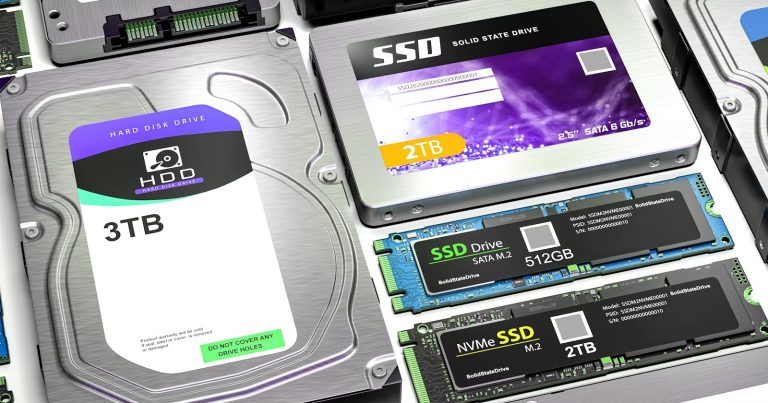
- DRAM
- NAND Flash
- SSD
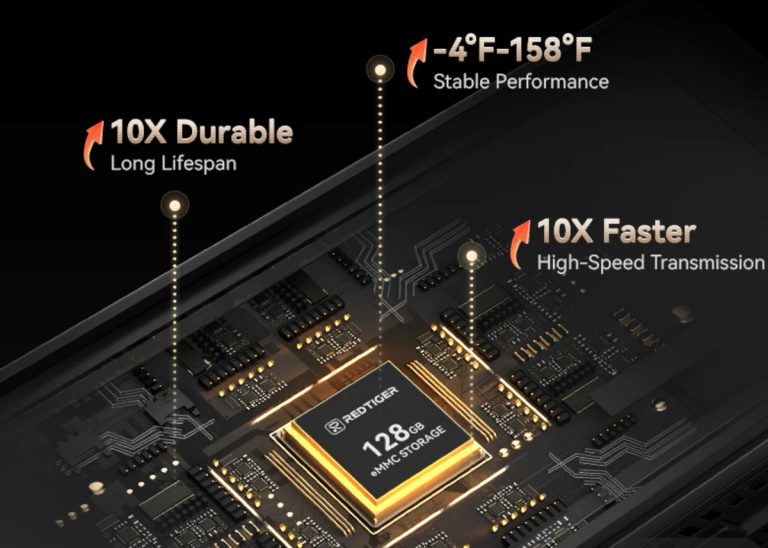
- eMMC
- Embedded computing
- Industrial controllers
This creates a connection between automation engineering and the underlying electronic hardware required to build modern industrial systems.
Why Pionix for Smart Factory Automation?
Modern automation projects often require coordination between multiple engineering disciplines.
A project may involve:
Automation + Electronics + Embedded Systems + Networking + AI + Manufacturing
Pionix can support customers across these areas through a solution-oriented approach.
Key capabilities include:
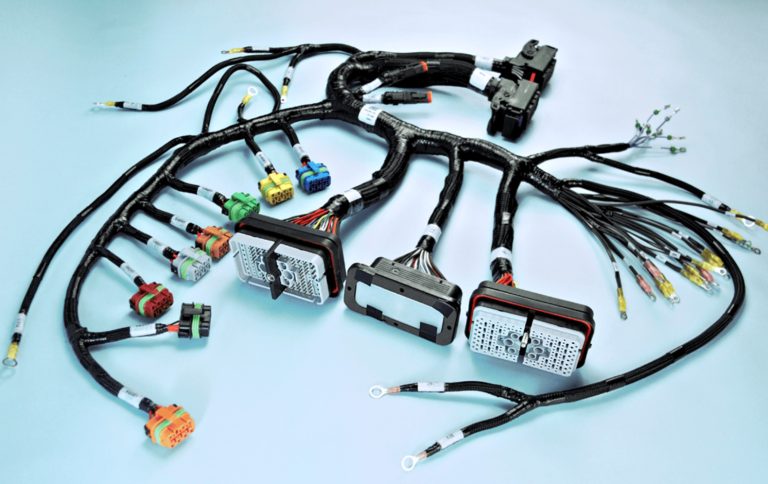
- Automation system integration
- Embedded hardware solutions
- Industrial electronics
- AI and edge computing architecture
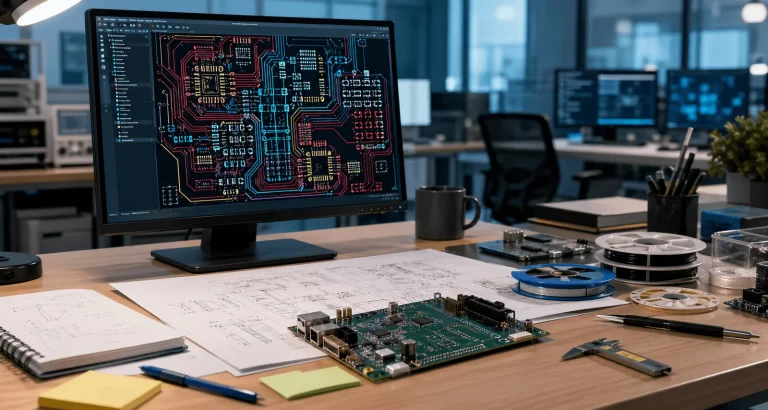
- PCB Design Solution
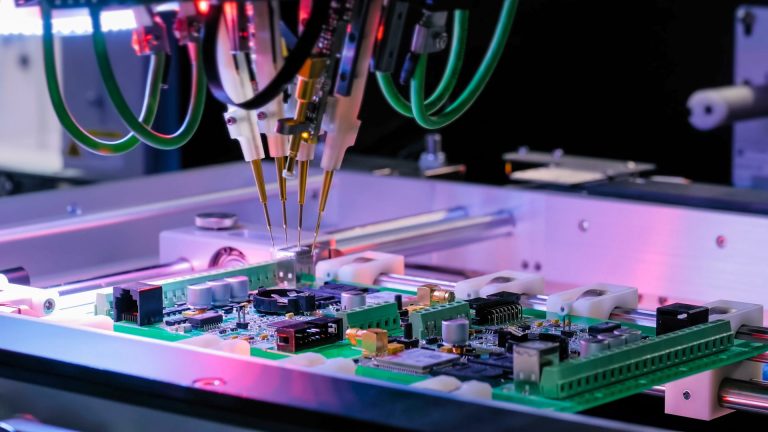
- EMS manufacturing support
- Component sourcing
- Production engineering
For customers developing new machines or upgrading existing production lines, this integrated approach can reduce the complexity of managing multiple technology suppliers.
FAQ
What is a Smart Factory Automation Solution?
A Smart Factory Automation Solution integrates PLCs, robotics, industrial networks, SCADA, MES, sensors, edge computing, and AI technologies to improve manufacturing efficiency, quality, connectivity, and traceability.
What is the role of PLC in a smart factory?
The PLC provides deterministic control of machines and production processes. It typically operates at the machine-control level while communicating with HMI, SCADA, MES, robots, and other industrial systems.
How is AI used in factory automation?
AI can be used for machine vision, predictive maintenance, process optimization, anomaly detection, production analytics, and increasingly adaptive robotic applications.
What is the difference between SCADA and MES?
SCADA primarily provides supervisory monitoring and control of equipment and processes. MES manages manufacturing execution activities such as production tracking, work orders, traceability, and quality records.
Can AI replace PLC systems?
AI does not generally replace the deterministic control role of PLCs. Instead, AI is typically integrated above or alongside conventional control systems to provide additional perception, analytics, optimization, or adaptive decision-making.
What industries can benefit from smart factory automation?
Smart factory automation can support automotive, electronics, semiconductor, industrial equipment, consumer electronics, logistics, food and beverage, pharmaceuticals, and other manufacturing environments.
Is smart factory automation suitable for existing factories?
Yes. Smart factory transformation does not always require replacing the entire automation infrastructure. Existing PLCs, machines, and production systems can often be connected progressively through industrial networks, edge devices, sensors, SCADA, MES, or data platforms.
Conclusion
Smart manufacturing in 2026 is moving beyond isolated automation.
The modern factory increasingly connects PLC control, robotics, machine vision, industrial data, edge computing, and AI into a coordinated production environment.
The key is not to introduce AI simply because it is available. A successful automation strategy begins with a measurable manufacturing challenge and then selects the appropriate combination of hardware, software, connectivity, and intelligent technologies.
For manufacturers in Vietnam and Southeast Asia, this creates an opportunity to modernize existing production infrastructure while building a scalable foundation for Industry 4.0 and AI-enabled manufacturing.
Pionix supports customers across the technology chain—from embedded electronics and semiconductor components to PCB design, automation, and EMS manufacturing.
If you are planning a new automated production line, upgrading an existing factory, or evaluating an AI-enabled manufacturing solution, Pionix can help define the appropriate architecture and engineering approach.
Contact Pionix to discuss your Smart Factory Automation requirements and explore a solution tailored to your production environment.