
What is EMS and How Does It Differ from OEM, ODM, and CM?
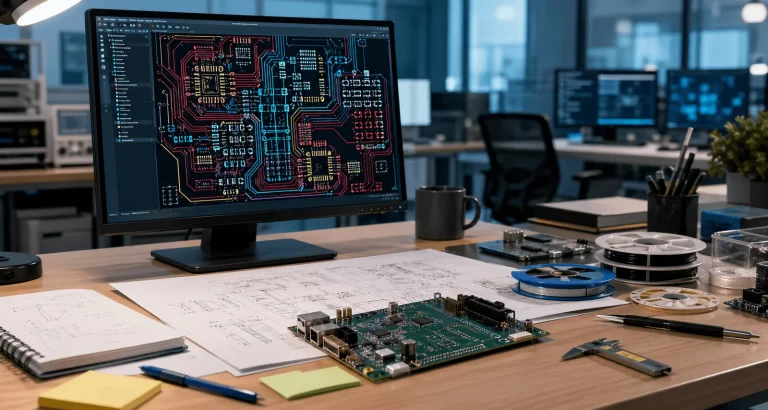
Electronic Manufacturing Services (EMS) refers to a complete range of manufacturing solutions provided to companies designing electronic products. These services include design support, PCB assembly, testing, and full-scale production.
When asking what is EMS, it’s important to understand that EMS providers act as end-to-end manufacturing partners, not just assembly vendors.
EMS vs OEM vs ODM vs CM
| Model | Role | Responsibility |
|---|---|---|
| EMS | Manufacturing partner | Assembly, testing, supply chain |
| OEM | Brand owner | Product concept and sales |
| ODM | Design + manufacturing | Full product development |
| CM (Contract Manufacturer) | Production only | Limited to assembly |
Key takeaway:
EMS bridges the gap between design and scalable production, enabling faster time-to-market.
Standard EMS Process: From NPI to Mass Production
A professional EMS workflow follows a structured process:
1. NPI (New Product Introduction)
- Design validation
- Prototyping
- DFM (Design for Manufacturability)
2. Pilot Production
- Small batch manufacturing
- Process optimization
- Yield improvement
3. Mass Production
- Full-scale manufacturing
- Supply chain coordination
- Continuous quality monitoring
Understanding this flow is critical to fully grasp what is EMS in real-world manufacturing.
Assembly Technologies: SMT, THT, and Mixed Assembly
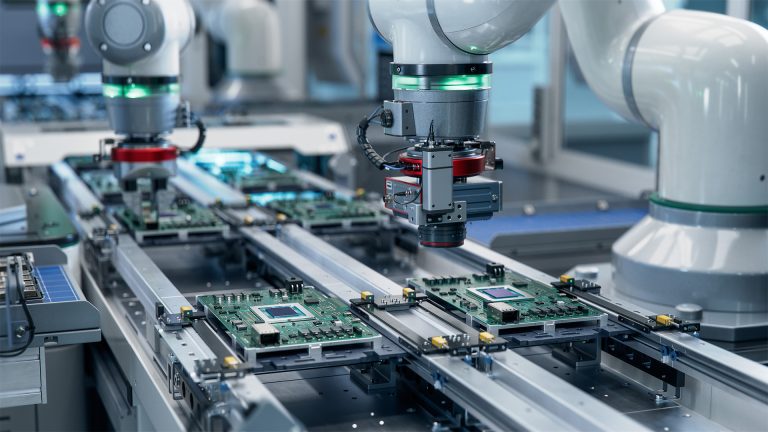
Modern EMS factories rely on advanced assembly technologies.
SMT (Surface Mount Technology)
- High-speed automated placement
- Ideal for compact, high-density boards
THT (Through-Hole Technology)
- Strong mechanical connections
- Used for power components
Mixed Assembly
- Combines SMT and THT
- Used in complex industrial applications
Why it matters:
Choosing the right assembly method directly impacts performance, durability, and cost.
Quality Assurance: AOI, X-Ray, ICT, Functional Testing
Quality control is a cornerstone of EMS.
Inspection methods:
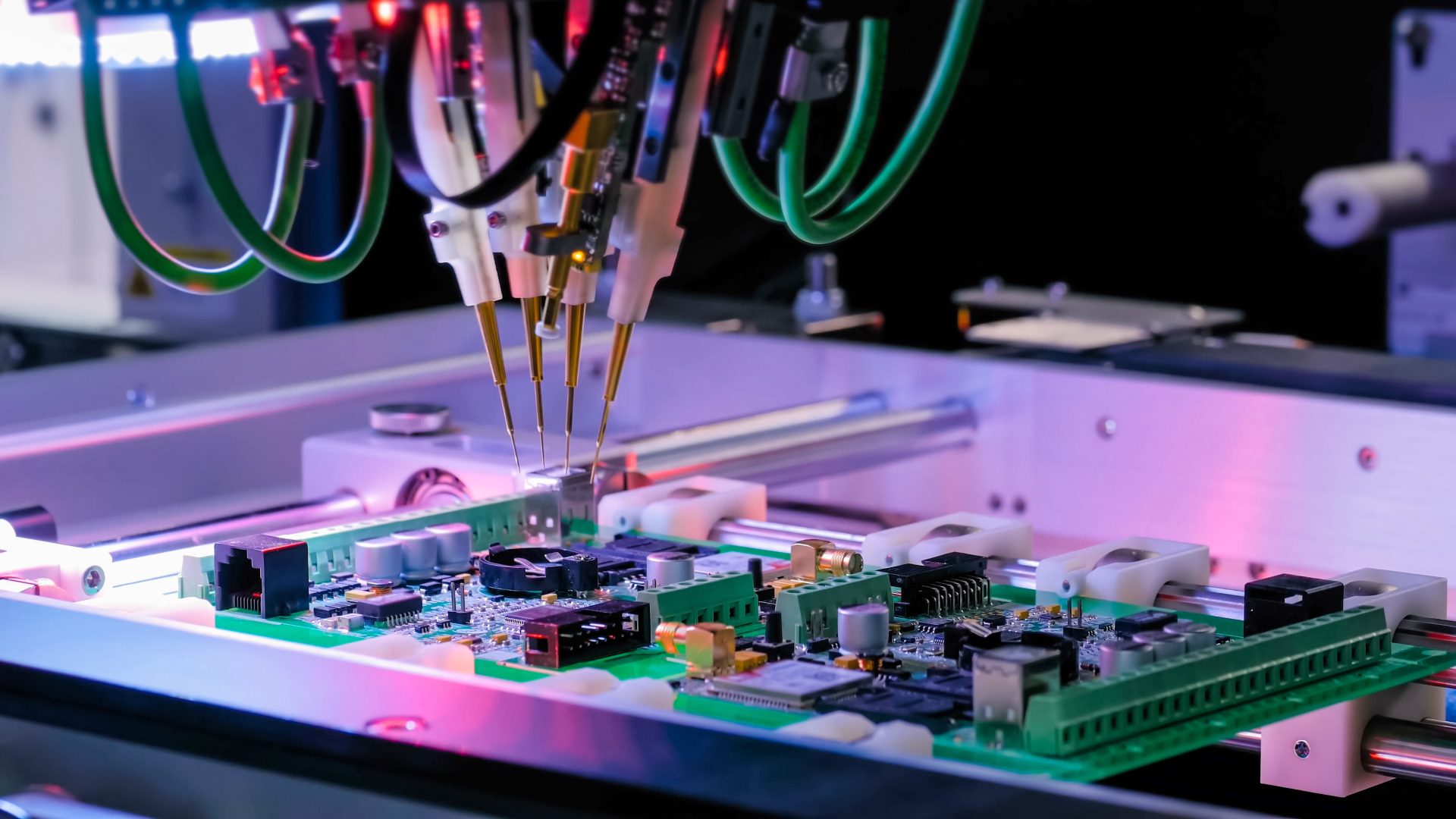
- AOI (Automated Optical Inspection): detects surface defects
- X-Ray Inspection: checks hidden solder joints
- ICT (In-Circuit Test): verifies electrical performance
- Functional Testing: ensures real-world operation
Key benefit:
- Early defect detection
- Reduced failure rates
- Improved product reliability
ERP & MES – Traceability and Production Control
In modern EMS environments, digital systems play a critical role.
ERP (Enterprise Resource Planning):
- Manages supply chain and inventory
- Tracks materials and procurement
MES (Manufacturing Execution System):
- Real-time production monitoring
- Traceability down to component level
Why it matters:
- Full transparency
- Faster issue resolution
- Compliance with industry standards
EMS Across Industries: Automotive, Medical, Aerospace
EMS is essential across multiple high-reliability industries.
Automotive
- ECU modules
- ADAS systems
- High reliability requirements
Medical
- Diagnostic devices
- Compliance with strict regulations
Aerospace
- Extreme environmental conditions
- Zero-defect manufacturing standards
Insight:
Each industry requires tailored EMS processes and certifications.
Why Choose Pionix EMS Factory?
At Pionix, EMS is more than manufacturing—it’s a strategic partnership.
Our strengths:
- End-to-end solutions (design → production)
- Advanced SMT production lines
- Strict quality control systems
- Flexible production scale
- Strong semiconductor supply chain
What sets us apart:
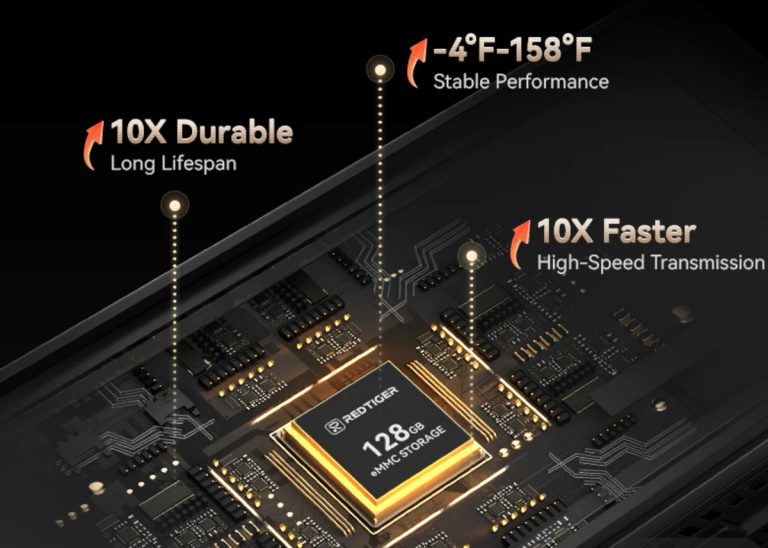
- Deep expertise in memory and embedded systems
- Fast turnaround from prototype to mass production
- Customized solutions for industrial and AI applications
Frequently Asked Questions (FAQ)
What is EMS in electronics?
EMS refers to outsourced electronic manufacturing services including PCB assembly, testing, and production.
What is the difference between EMS and OEM?
OEM owns the product design, while EMS handles manufacturing.
What industries use EMS?
Automotive, medical, aerospace, industrial, and consumer electronics.
Why should companies use EMS?
To reduce cost, improve scalability, and accelerate time-to-market.
Conclusion
Now that you understand what is EMS, it becomes clear that choosing the right manufacturing partner is critical to product success.
From NPI to mass production, EMS enables companies to scale efficiently while maintaining quality and cost control.
At Pionix, we provide comprehensive EMS solutions tailored to your product lifecycle—from concept to global production.
👉 Connect us today to discuss your EMS manufacturing needs and accelerate your product to market.