
What is NAND Flash and Why is it Important?
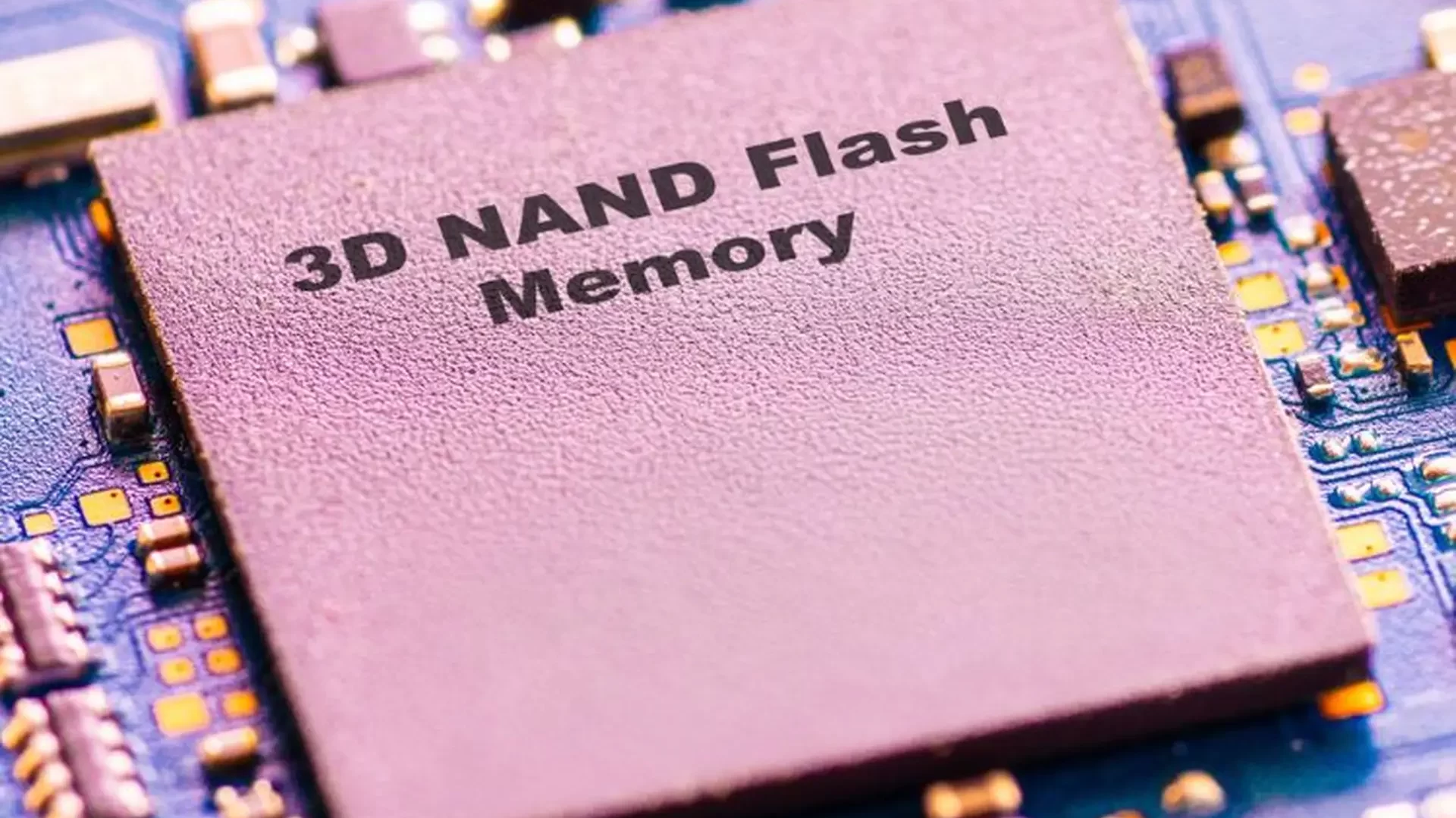
NAND Flash is a type of non-volatile memory that retains data even when power is turned off. It is widely used in modern electronic devices such as SSDs, smartphones, USB drives, and embedded systems.
Unlike traditional storage technologies, NAND Flash offers high speed, compact size, and durability, making it a core component in today’s digital infrastructure.
Why NAND Flash matters:
- Enables fast data access and storage
- Reduces power consumption
- Supports compact and portable device design
- Critical for modern applications like AI, IoT, and edge computing
How NAND Flash Works
NAND Flash stores data in memory cells made of floating-gate transistors. These cells trap electrons to represent binary data (0s and 1s).
Basic operation principles:
- Program (Write): Electrons are added to the cell
- Erase: Electrons are removed
- Read: Voltage levels determine stored data
Cells are arranged in blocks and pages:
- Page: Smallest unit for reading/writing
- Block: Smallest unit for erasing
- Key characteristics:
- Non-volatile storage
- Limited write/erase cycles
- Requires wear leveling and error correction
Types of NAND Flash: SLC, MLC, TLC, QLC, PLC
NAND Flash is categorized based on how many bits each cell can store.
SLC (Single-Level Cell)
- 1 bit per cell
- Fastest and most reliable
- Highest cost
- Used in enterprise and industrial systems
MLC (Multi-Level Cell)
- 2 bits per cell
- Balanced performance and cost
- Moderate endurance
TLC (Triple-Level Cell)
- 3 bits per cell
- Lower cost, higher density
- Common in consumer SSDs
QLC (Quad-Level Cell)
- 4 bits per cell
- Very high capacity
- Lower endurance and speed
- Ideal for data-heavy applications
PLC (Penta-Level Cell)
- 5 bits per cell (emerging technology)
- Extremely high density
- Still under development for commercial use
Comparison Table of NAND Types
| Type | Bits/Cell | Speed | Endurance | Cost | Use Case |
|---|---|---|---|---|---|
| SLC | 1 | Very High | Very High | Very High | Enterprise, industrial |
| MLC | 2 | High | High | High | Professional storage |
| TLC | 3 | Medium | Medium | Moderate | Consumer SSDs |
| QLC | 4 | Lower | Lower | Low | Data storage, cloud |
| PLC | 5 | TBD | TBD | Lowest | Future applications |
Real-World Applications: SSD, eMMC, UFS, SD Cards
NAND Flash is used across a wide range of storage solutions:
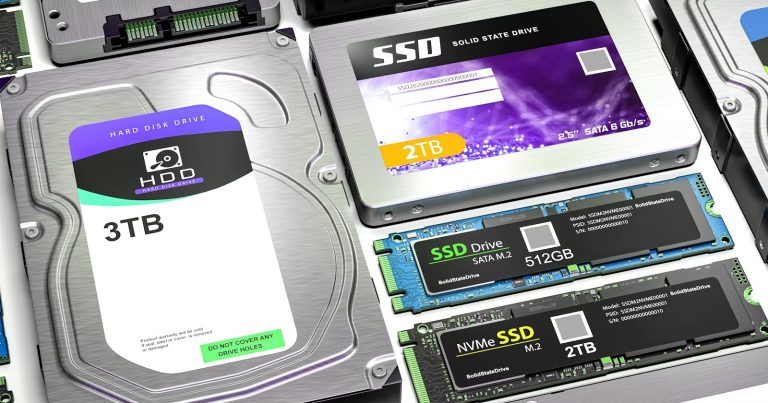
SSD (Solid State Drive)
- High-speed storage for PCs and servers
- Uses advanced NAND with controllers
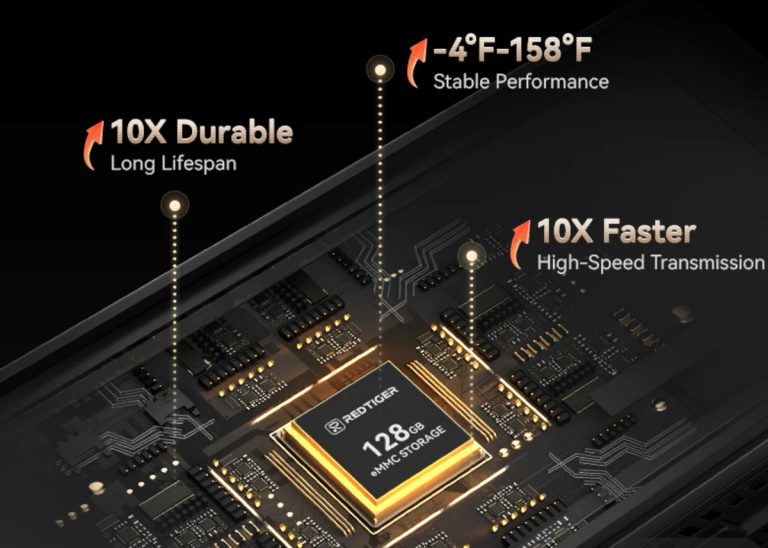
eMMC (embedded MultiMediaCard)
- Integrated storage for embedded systems
- Common in budget smartphones and IoT devices
UFS (Universal Flash Storage)
- High-performance mobile storage
- Faster than eMMC
SD Cards & USB Drives
- Portable storage solutions
- Widely used in cameras and consumer electronics
NAND Flash Trends 2025–2026
The NAND Flash industry is evolving rapidly with new technologies:
3D NAND
- Stacks memory cells vertically
- Increases density and performance
QLC for Enterprise
- Expanding into data centers
- Optimized with caching technologies
AI & Edge Computing Demand
- Growing need for faster, reliable storage
- Drives innovation in NAND architecture
Frequently Asked Questions (FAQ)
What is NAND Flash used for?
NAND Flash is used in SSDs, smartphones, USB drives, memory cards, and embedded systems.
Is NAND Flash the same as SSD?
No. NAND Flash is the memory technology, while SSD is a storage device that uses NAND Flash.
Which NAND type is best?
- SLC: best performance and durability
- TLC: best balance for consumers
- QLC: best for high-capacity storage
How long does NAND Flash last?
It depends on the type and usage, typically ranging from thousands to tens of thousands of write cycles.
Conclusion
NAND Flash is the foundation of modern digital storage, powering everything from consumer devices to enterprise systems. Understanding its types, working principles, and applications helps businesses choose the right solution for performance, cost, and reliability.
At Pionix, we provide high-quality NAND-based solutions tailored to your needs—from component sourcing to system integration.
👉 Explore our solutions or connect us today to find the right NAND Flash solution for your business.